

Autism Spectrum Disorder
Autism Spectrum Disorder (ASD) is a unique journey, each with its own set of strengths and possibilities. ASD influences how you handle social interaction, communication, and regulate your emotions. They label it a spectrum because it’s a broad spectrum of experiences.
Early intervention can make a significant difference. Just like everyone’s got their strengths and quirks, individuals with autism bring their own unique insights and abilities to the world.
Autism Symptoms
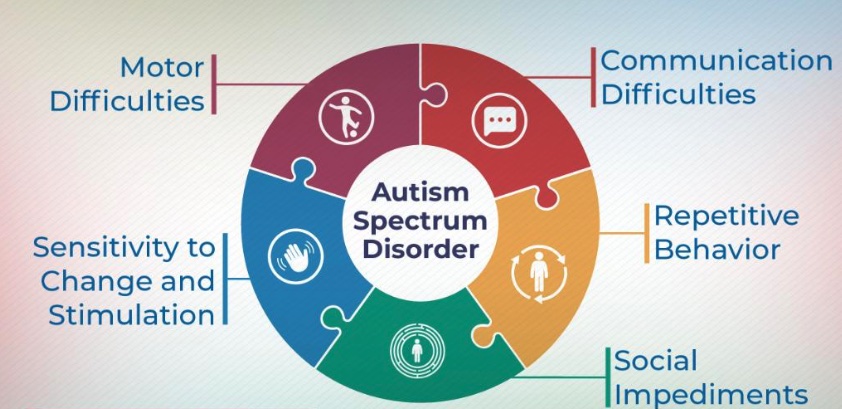
The impacts of autism on an individual can vary widely, affecting social interactions, communication skills, and behavior. Individuals with autism may face challenges in forming relationships, expressing themselves effectively, and navigating certain aspects of daily life, but with appropriate support, many can develop unique strengths and talents. Navigating these complexities can be daunting, often leading to feelings of isolation and frustration.
Addressing the challenges of Autism involves approaches for reducing overwhelming sensations.
- Mindfulness
- Breathing exercises
- Positive self-talk
- Affirmations
- Body Language
Practicing these techniques can significantly reduce worry and fear, channeling emotions positively and empowering you to take control of your feelings.
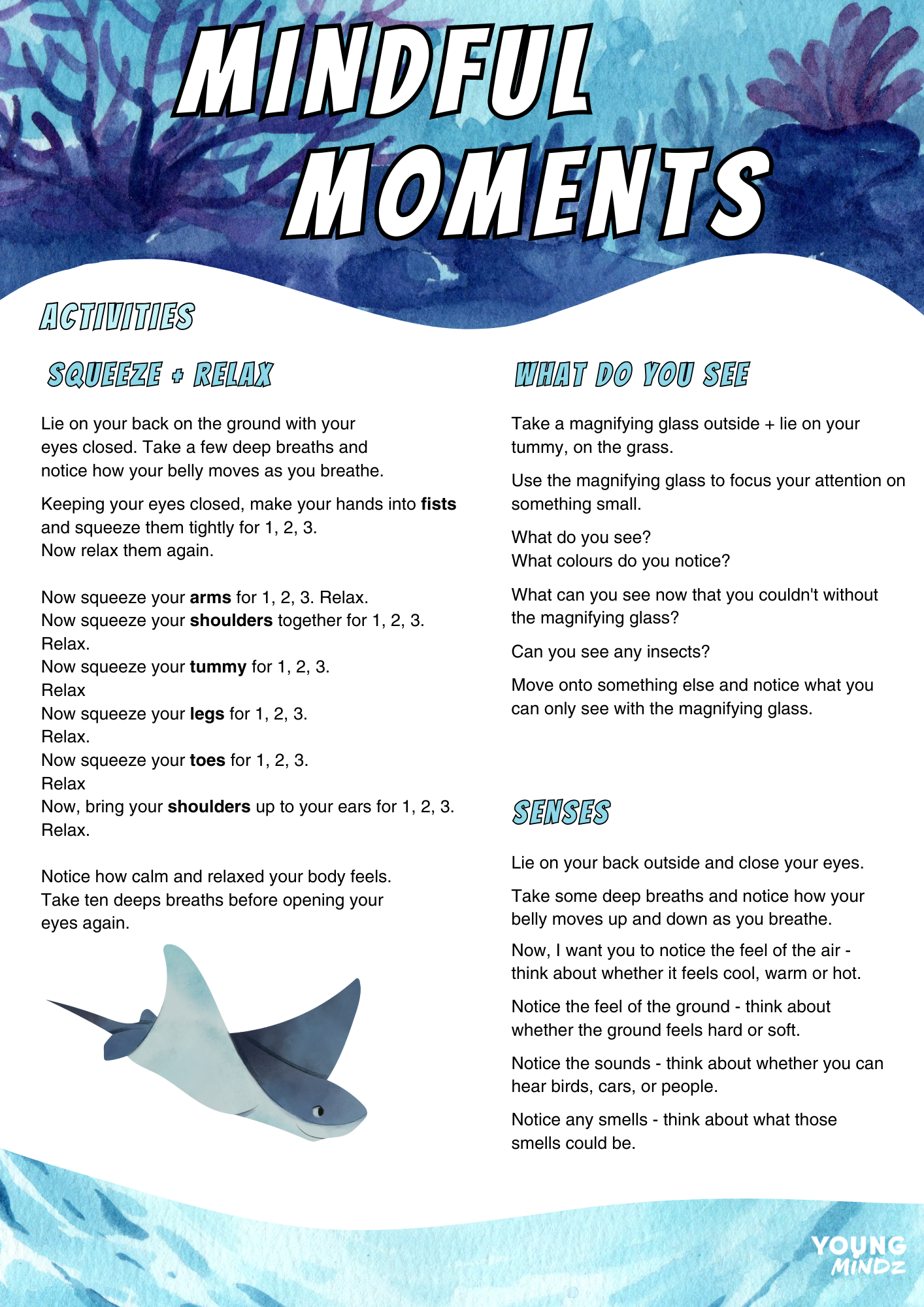
Mindfulness techniques, such as focused breathing and sensory awareness, provide individuals with Autism a means to stay grounded and centered amidst sensory stimuli. These practices can help you learn the best way to help emotional regulation, fostering a sense of calm and control.
Positive self-talk plays a crucial role in building self-esteem. Encouraging affirmations and constructive internal dialogue can reshape perceptions, empowering individuals to recognize their strengths and capabilities. This shift in mindset becomes a powerful tool in navigating social situations and building meaningful connections.
4-Tools for Unstoppable Empowerment
- Mindfulness Exercises: Incorporating short mindfulness exercises, such as mindful breathing or body scans, into daily routines can help you stay present and manage stress.
- Breathing Techniques: Teaching deep breathing exercises can provide a practical tool for emotional regulation. Techniques like diaphragmatic breathing or square breathing can be effective in promoting calmness.
- Positive Affirmations: Encouraging the practice of positive self-talk and affirmations builds self-esteem. Creating a list of affirmations tailored to individual strengths and achievements can be a powerful exercise.
- Social Skills Building Activities: Engaging in activities that focus on social skills development, such as role-playing or joining social groups, can enhance communication and foster connections.
Inspiring a Fulfilling Life with Positive Wellbeing
You can support those embarking on the intricacies of ASD to recognise the disorder not as a limit but as an opportunity for growth and individuality. It requires a comprehensive approach and you can help by introducing holistic activities and empower tools to build resilience and courage.
Autism (ASD) is not a limitation but an opportunity for growth and self discovery. It can although become a maze of challenges and discoveries for children. Young Mindz has developed these resources to help ground overwhelming emotions. This downloadable guide offers and insightful, supportive approach to ASD, providing parents with practical tools and strategies.

Related Articles

Development, Health & Wellness